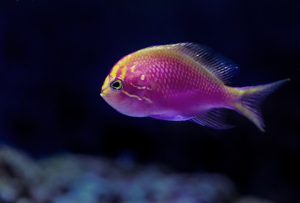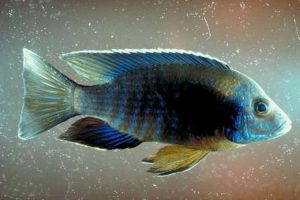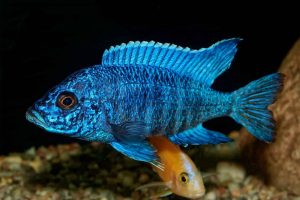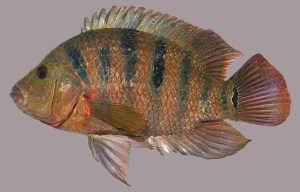
Cichlids are a diverse group of over 1,300 freshwater fish species from the family Cichlidae. Found primarily in tropical America, mainland Africa, Madagascar, and southern Asia, cichlids are popular among aquarium enthusiasts for their vibrant colors, unique behaviors, and adaptability.

Proper care is essential to ensure these captivating fish thrive in a home aquarium. This comprehensive guide will cover everything you need to know about cichlid fish care, from tank setup and feeding to disease prevention.
Cichlid Tank Setup: Creating the Perfect Environment
Setting up the ideal tank is crucial for the health and well-being of cichlid fish. Since different cichlid species have varied habitat preferences, understanding their specific needs is the first step in creating a suitable environment.
Tank Size and Shape
Cichlids vary greatly in size, from small Dwarf Cichlids to larger species like Oscars. A minimum tank size of 30 gallons is recommended for smaller cichlids, while larger species may require 75 gallons or more. A longer tank is preferable as it provides more horizontal swimming space, which is important for territorial cichlids.
Water Parameters
Cichlids are sensitive to water quality and require specific parameters to thrive. Most cichlids prefer slightly alkaline water (pH 7.5-8.5) and temperatures between 75-82°F (24-28°C). African cichlids, in particular, need hard water with a higher pH, while South American cichlids prefer softer, slightly acidic to neutral water.
Aquascaping and Substrate
Cichlids are territorial fish that need plenty of hiding spots to establish territories. Use rocks, caves, driftwood, and aquatic plants to create natural barriers. African cichlids, such as Mbuna, prefer rocky setups, while South American species often thrive in tanks with driftwood and leaf litter.
Filtration and Water Movement
Proper filtration is crucial due to the cichlids’ tendency to dig and stir up debris. A powerful canister filter or sponge filter is recommended to maintain excellent water quality. Moderate water flow is generally preferred, mimicking the natural habitats of most cichlid species.
Best Food for Cichlid Fish: Ensuring a Balanced Diet
A balanced diet is essential for the vibrant colors, growth, and overall health of cichlid fish. Their dietary needs vary depending on the species, so understanding the natural feeding habits of your cichlids will help you choose the best food options.
1. Pellets and Flakes
High-quality cichlid pellets and flakes are formulated to meet the dietary needs of most species. Look for foods rich in protein and color-enhancing ingredients like spirulina for herbivorous and omnivorous cichlids.
2. Live and Frozen Foods
Supplementing pellets with live or frozen foods such as brine shrimp, bloodworms, and daphnia can enhance your cichlids’ diet. Carnivorous species like Oscars and Peacock Cichlids benefit from meaty foods, while herbivorous species like Mbuna should have minimal animal protein.
3. Vegetables and Algae Wafers
For herbivorous cichlids, incorporating vegetables like spinach, zucchini, and peas can help maintain their health. Algae wafers are also an excellent option for plant-eating cichlids, ensuring they receive the necessary nutrients.
4. Feeding Frequency
Feed cichlids small amounts 2-3 times a day, ensuring that all food is consumed within a few minutes. Overfeeding can lead to water quality issues and obesity, which can cause health problems.
Cichlid Fish Diseases: Prevention and Treatment
Cichlid fish, like all aquarium fish, are susceptible to various diseases. Maintaining optimal water quality, providing a balanced diet, and monitoring fish behavior are key preventive measures.
Common Diseases
Cichlids can suffer from illnesses like Ich (white spot disease), Hole-in-the-Head, and bacterial infections. Symptoms often include white spots, discolored patches, loss of appetite, and unusual swimming behavior.
Disease Prevention
Regular water changes, maintaining stable water parameters, and avoiding overcrowding are essential for disease prevention. Quarantine new fish for at least two weeks before introducing them to the main tank to prevent the spread of diseases.
Treatment Options
If a disease outbreak occurs, identify the symptoms and treat accordingly. Many common diseases can be treated with over-the-counter medications, such as copper-based treatments for Ich or antibiotics for bacterial infections. Always follow dosage instructions carefully and consider isolating sick fish to prevent the spread of disease.
Cichlid Fish Behavior and Social Dynamics
Understanding cichlid behavior is key to maintaining a peaceful aquarium environment. These fish are known for their complex social dynamics, territorial nature, and occasional aggression, especially during breeding seasons.
Territoriality
Many cichlid species are highly territorial, establishing and defending specific areas of the tank. Providing enough space, visual barriers, and hiding spots can help reduce aggression and stress among tank mates.
Breeding Behaviors
Cichlids are known for their fascinating breeding behaviors, such as mouthbrooding or creating elaborate nests. Observing these behaviors can be rewarding, but it’s essential to monitor aggression levels during breeding, as cichlids can become more protective.
Community Compatibility
Not all cichlids are suitable for community tanks. When selecting tank mates, consider the specific cichlid species’ temperament and compatibility with other fish. Peaceful species like Angelfish can coexist with other calm fish, while aggressive types like Convict Cichlids may need to be housed separately.
Cichlid Tank Maintenance: Keeping Your Aquarium Healthy
Regular maintenance is vital for the health of your cichlid fish. Proper care includes routine cleaning, monitoring water parameters, and adjusting care practices as needed.
Weekly Water Changes
Perform partial water changes of 20-30% weekly to remove toxins, refresh minerals, and maintain water quality. Use a gravel vacuum to clean the substrate and remove uneaten food and waste.
Filter Maintenance
Clean the filter media regularly, but avoid over-cleaning, as this can disrupt beneficial bacteria essential for biological filtration. Rinse media in dechlorinated water to preserve these bacteria.
Monitoring Water Quality
Regularly test the water for ammonia, nitrites, nitrates, and pH levels. Keeping these parameters within the preferred ranges for cichlids will reduce stress and prevent disease outbreaks.
Conclusion
Caring for cichlid fish involves creating a suitable tank environment, providing a balanced diet, and staying vigilant about disease prevention. Understanding their behavior and social dynamics can also enhance your care routine, helping to maintain a peaceful and healthy aquarium. With the right care, cichlids can be a vibrant and captivating addition to any home aquarium, offering endless hours of enjoyment as you watch their unique behaviors and interactions. By committing to proper care, you can create a thriving environment for these beautiful and fascinating fish.
Looking for a reliable supplier of tropical fish? Seekerfish.com is your go-to partner! As a premier Indonesia tropical fish exporter, we pride ourselves on delivering stunning, healthy fish straight from the heart of Southeast Asia’s pristine waters. Start your aquarium journey with us today!